Key Services Provided by Arborists: Safeguarding Your Trees and Landscape
Arborists play a significant role in sustaining the wellbeing of trees and enhancing landscapes. Their knowledge covers several fundamental services, from establishing trees and detecting ailments to skilled pruning and pest control. These professionals not only improve the aesthetic appeal of properties but also contribute to broader environmental goals. Exploring the distinct techniques and approaches utilized by arborists reveals how they preserve our natural environments and ensure the longevity of tree populations. What difficulties arise in the course of their professional responsibilities?
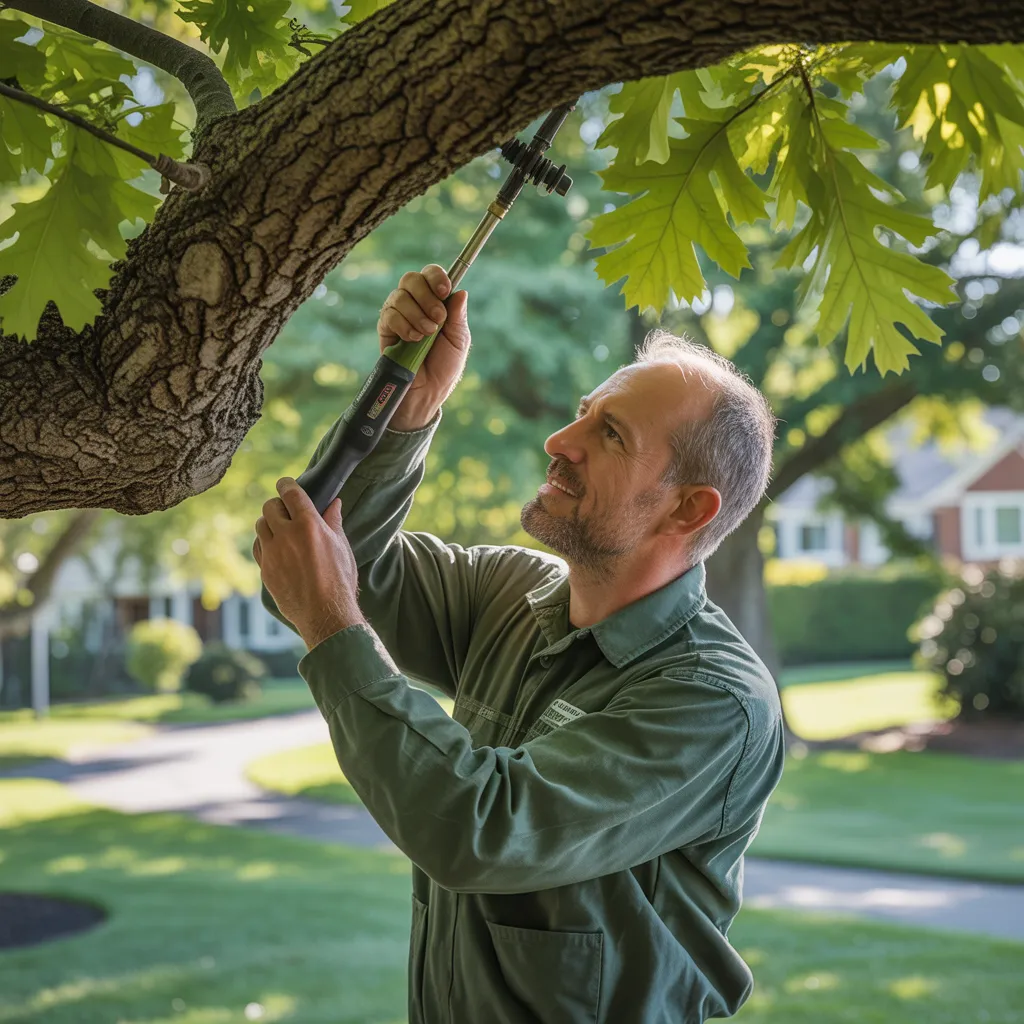
The Essential Role of Arborists in Tree Care
Arborists play an essential role in the health and maintenance of trees, ensuring their vigor and longevity. These trained professionals possess a deep understanding of tree biology and ecology, allowing them to assess the condition of trees accurately. They identify diseases, pests, and environmental stresses that may threaten tree health. These professionals also deliver important services such as planting, diagnosing problems, and recommending treatments customized for particular species and settings.
Furthermore, they educate property owners about proper tree care techniques and the significance of sustaining thriving trees in the outdoor space. Arborists regularly partner with municipal authorities and community groups to support urban tree management efforts, boosting ecological diversity and purifying the air. Their expertise not only enhances the beauty of domestic and commercial landscapes but also serves a vital function in environmental conservation. Ultimately, arborists are key defenders of our trees, encouraging a harmonious bond between ecosystems and urban expansion.
Approaches to Effective Tree Trimming
Proper tree pruning entails recognizing diverse methods and identifying the best timing for every technique. Different pruning methods serve distinct purposes, from enhancing growth to maintaining tree health. Timing plays a vital role, as the appropriate season can significantly influence how a tree responds to pruning.
Pruning Method Types
Tree pruning demands a well-planned strategy to guarantee vigorous growth and visual appeal. Multiple pruning approaches address unique goals, each suited to individual scenarios. Thinning consists of carefully eliminating branches to boost sunlight access and ventilation, encouraging comprehensive tree wellness. Crown reduction, by contrast, diminishes the height and breadth of a tree while maintaining its natural shape, commonly applied to lessen dangers from powerful gusts. Deadheading concentrates on eliminating faded blooms or lifeless branches, fostering new development and lengthening bloom cycles. Lastly, rejuvenation pruning is performed on overgrown shrubs, stimulating new development by trimming away aged wood. Understanding these methods allows arborists to effectively manage tree health and secure a beautifully maintained outdoor space.
Timing For Optimal Pruning
When is the best time to prune trees for ideal health and growth? Arborists recommend pruning during the late winter or early spring, right before new growth starts to emerge. This schedule helps minimize tree stress and lowers the risk of disease. It supports superior recovery as the tree transitions into its active growing phase. Certain species may also benefit from summer pruning to manage size or remove dead wood. Despite this, autumn pruning is broadly discouraged, as it can make trees susceptible to winter harm. Grasping the particular needs of every tree species is vital for the best possible results. By sticking to these principles, arborists help ensure trees remain robust and flourishing throughout their entire lifecycle.
How Arborists Manage Tree Diseases and Pests
Professional arborists actively monitor and control tree diseases and pests to preserve the vitality and long-term health of trees in urban and rural environments. They begin by conducting detailed examinations to uncover the earliest symptoms of pest infestations and infections. Utilizing their expertise, arborists evaluate the type and severity of the issue, which is essential in establishing the best available treatment solutions.
Incorporating IPM strategies, they merge biological, cultural, and chemical controls to lessen the environmental footprint. This thorough technique might incorporate the introduction of beneficial insects, utilizing organic treatments, or employing selective pesticides when warranted.
Furthermore, tree specialists educate homeowners on protective practices, such as proper watering and pruning techniques, to improve tree durability. Regular maintenance and monitoring guarantee that any arising concerns are resolved quickly, thereby maintaining the aesthetic and ecological value of trees in both urban and rural settings.
Signs You Need Emergency Tree Removal?
Tree health may degrade swiftly, creating scenarios where urgent action becomes essential. Signs indicating a need for emergency tree removal include noticeable cracks or fractures in the trunk, which compromise structural integrity. Moreover, large branches or the entire tree leaning at an unusual angle may indicate instability, most notably after extreme weather events. Rotting or dead limbs, commonly paired with visible fungal development, imply that the tree cannot be saved.
An additional warning sign is the existence of significant root deterioration, which can destabilize the tree further. If a tree is situated close to power lines or structures, such warning signs can pose immediate risks to safety. Arborists recommend prompt assessment and action when these signs are observed, as ignoring these signs can create perilous circumstances for both property and individuals nearby. Periodic assessments can aid in recognizing these issues before they escalate into emergencies.
Essential Guidelines for Planting New Trees
When introducing new trees choosing the right species is vital to secure sustained health and vitality. Moreover, adequate soil conditions have a major impact in a tree's overall growth. Grasping these considerations can significantly improve the outcome of any planting effort.
Selecting The Correct Species
Choosing the most suitable species of tree is essential for achieving a flourishing landscape, as various species present distinct advantages and drawbacks. Aspects such as soil type, climate, and available space have a significant impact in making this choice. To illustrate, locally adapted species tend to need minimal upkeep and are more suited to local conditions, promoting biodiversity. Furthermore, aspects like mature size, growth rate, and disease resistance can affect the selection. Residents should also think about the seasonal interest and aesthetic appeal of the trees, making sure they enhance the existing landscape. Speaking with a tree specialist can offer expert guidance, helping to select species that align with both site-specific conditions and individual needs, successfully establishing a thriving and eco-friendly landscape.
Achieving Optimal Soil Conditions
Conditioning the soil is vital for the proper development of new trees. Tree care specialists stress the importance of evaluating soil quality before planting. This involves testing pH levels and ensuring proper drainage to develop an ideal environment for root growth. Improving the soil with organic matter can enhance nutrient availability and strengthen structure. Additionally, the soil should be loose enough to allow roots to expand without resistance, yet stable enough to provide stability.
Arborists recommend excavating a hole a minimum of two times the width of the root ball to encourage outward root growth. Spreading mulch at the base of the tree assists in locking in moisture and stabilizing temperature, while also fostering robust development. Proper soil conditions lay the groundwork for thriving trees and vibrant landscapes.
The Value of Regular Tree Care and Inspections
Routine tree maintenance and inspections are critical for ensuring the wellbeing and safety of trees and neighboring properties. Certified arborists play an important role in recognizing potential concerns, such as disease, pest infestations, and structural weaknesses. Routine evaluations enable prompt interventions, which can prevent costly damage and secure the longevity of trees.
Moreover, scheduled maintenance, such as cutting and soil enrichment, encourages vigorous growth and improves the visual appeal of outdoor spaces. Surveys help pinpoint trees that may endanger neighboring properties or residents, facilitating forward-thinking actions to minimize risks.
Moreover, caring for trees offers environmental benefits, such as cleaner air and enriched wildlife ecosystems. With regular care and thorough inspections, landowners can secure their investments and cultivate a healthy ecosystem. Fundamentally, the knowledge of skilled arborists ensures that trees do more than survive and actively thrive, enhancing the beauty and safety of the landscape.
Frequently Asked Questions
What Certifications Should I Seek When Hiring an Arborist?
When choosing an arborist, you should verify certifications such as ISA (International Society of Arboriculture), state-specific licenses, and TCIA (Tree Care Industry Association) credentials, ensuring their expertise in tree care and management.
How Often Should I Schedule Tree Inspections?
Tree inspections should be scheduled annually, or biannually for high-risk species or locations. Routine evaluations help detect potential problems early, making certain trees remain healthy and secure while supporting overall landscape strength and aesthetic quality.
Are Arborists Able to Assist With Landscaping Design?
Certainly, arborists can contribute to garden design by assessing tree vitality, proposing appropriate plant species, and confirming optimal positioning. Their professional knowledge strengthens aesthetic appeal while encouraging environmental harmony, resulting in a environmentally sound and visually stunning natural setting.
What Is the Optimal Time to Plant Trees?
The best time for tree planting is during the early spring or fall. These seasons provide ideal soil temperatures and moisture levels, promoting healthy root establishment and ensuring better growth in the subsequent warmer months.
How Do Weather Conditions Affect Tree Care Services?
Weather conditions greatly influence get started arboricultural services. Precipitation, extreme temperatures, and strong winds have the potential to influence scheduling, pest activity, and soil health, requiring modifications in methods and scheduling to ensure optimal tree vitality and development.